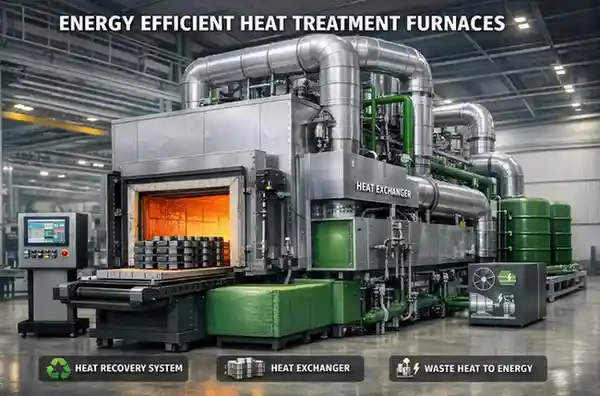
Energy Efficient Heat Treatment Furnaces for Industry
Energy Efficient Heat Treatment Furnaces for Industry
In today’s competitive industrial landscape, energy efficiency is no longer optional—it is a necessity. Rising energy costs, stricter environmental regulations, and increasing pressure to improve operational margins have pushed manufacturers to invest in energy efficient furnaces.
Heat treatment processes are among the most energy-intensive operations in manufacturing. By upgrading to industrial energy saving equipment, companies can significantly reduce operational costs, improve productivity, and achieve sustainability goals.
This comprehensive guide explores the latest advancements in heat treatment optimization, types of energy-efficient furnaces, cost analysis, ROI benefits, and strategies for maximizing efficiency in industrial environments.
What Are Energy Efficient Heat Treatment Furnaces?
Energy-efficient heat treatment furnaces are advanced systems designed to minimize energy consumption while maintaining or improving performance. These furnaces incorporate modern technologies such as insulation improvements, automation, heat recovery systems, and intelligent controls.
Key Objectives
- Reduce fuel and electricity consumption
- Enhance temperature uniformity
- Minimize heat loss
- Improve process consistency
- Lower carbon emissions
Why Energy Efficiency Matters in Heat Treatment
Industrial furnaces can account for up to 70% of total energy consumption in manufacturing plants. Improving furnace efficiency can deliver significant cost savings and environmental benefits.
Major Challenges in Conventional Furnaces
- High heat loss due to poor insulation
- Inefficient combustion systems
- Lack of automation
- Inconsistent temperature control
Types of Energy Efficient Heat Treatment Furnaces
1. Electric Resistance Furnaces
These furnaces use electric heating elements and offer high energy efficiency with precise temperature control.
2. Induction Heat Treatment Systems
Induction systems heat materials directly, reducing energy waste and increasing efficiency.
3. Vacuum Furnaces
Vacuum furnaces eliminate oxidation and reduce energy consumption by minimizing rework.
4. Continuous Furnaces with Heat Recovery
These systems capture and reuse waste heat, significantly improving overall energy efficiency.
5. Gas-Fired High-Efficiency Furnaces
Modern gas furnaces use advanced burners and control systems to optimize fuel consumption.
Energy Saving Technologies in Modern Furnaces
1. Advanced Insulation Materials
High-performance insulation reduces heat loss and improves thermal efficiency.
2. Waste Heat Recovery Systems
Recovering heat from exhaust gases can reduce energy consumption by up to 30%.
3. Smart Control Systems
AI and IoT-based controls optimize furnace operations in real-time.
4. Variable Frequency Drives (VFDs)
VFDs reduce energy usage by optimizing motor speed and power consumption.
5. Automation and Robotics
Automated loading and unloading systems reduce cycle time and energy waste.
Cost Analysis of Energy Efficient Furnaces
The cost of energy-efficient furnaces depends on technology, capacity, and automation level. Although initial investment may be higher, long-term savings are substantial.
| Furnace Type | Price Range (USD) | Energy Savings |
|---|---|---|
| Electric Resistance Furnace | $30,000 - $150,000 | 15% - 25% |
| Induction Furnace | $50,000 - $300,000 | 20% - 40% |
| Vacuum Furnace | $200,000 - $1,000,000+ | 25% - 50% |
| Continuous Furnace with Recovery | $150,000 - $700,000 | 30% - 60% |
ROI and Cost Savings
Investing in furnace efficiency tools delivers measurable ROI through energy savings and improved productivity.
| Metric | Before Upgrade | After Upgrade |
|---|---|---|
| Energy Consumption | 100% | 60% - 75% |
| Operational Cost | High | Reduced |
| Production Efficiency | Moderate | High |
| Payback Period | - | 1 - 3 Years |
Benefits of Energy Efficient Furnaces
1. Reduced Energy Costs
Lower energy consumption directly translates into cost savings.
2. Improved Product Quality
Better temperature control ensures consistent and high-quality output.
3. Lower Carbon Emissions
Energy-efficient systems support sustainability and ESG compliance.
4. Increased Productivity
Faster processing times and reduced downtime improve throughput.
5. Long-Term Savings
Reduced maintenance and operational costs improve profitability.
Industry Applications
Automotive Industry
Used for heat treatment of engine components, gears, and shafts.
Aerospace Industry
Ensures precision and reliability for critical components.
Metal Processing
Enhances material properties for durability and performance.
Tool Manufacturing
Improves hardness and wear resistance of tools.
Comparison: Conventional vs Energy Efficient Furnaces
| Parameter | Conventional Furnace | Energy Efficient Furnace |
|---|---|---|
| Energy Consumption | High | Low |
| Operational Cost | High | Optimized |
| Automation | Limited | Advanced |
| Environmental Impact | High | Low |
Smart Manufacturing Integration
Modern furnaces are integrated with smart manufacturing systems to enhance efficiency:
- IoT-enabled monitoring
- Real-time energy tracking
- Predictive maintenance
- Cloud-based analytics
Best Practices for Maximizing Furnace Efficiency
- Regular maintenance and calibration
- Optimize loading patterns
- Use energy-efficient insulation
- Implement automation systems
- Monitor energy consumption continuously
Future Trends in Energy Efficient Furnaces
- AI-driven optimization systems
- Hybrid heating technologies
- Advanced materials for insulation
- Carbon-neutral furnace designs
How to Choose the Right Energy Efficient Furnace
- Evaluate production requirements
- Consider energy savings potential
- Analyze total cost of ownership
- Check automation capabilities
- Choose reliable suppliers
Expert Tips
- Invest in scalable solutions
- Focus on long-term ROI
- Adopt smart manufacturing practices
Conclusion
Energy-efficient heat treatment furnaces are transforming the manufacturing industry by reducing costs, improving productivity, and supporting sustainability goals. With advancements in automation, heat recovery, and smart controls, these systems offer significant advantages over traditional furnaces.
Manufacturers that invest in industrial energy saving equipment can achieve long-term profitability while meeting environmental regulations and improving operational efficiency.
Ready to reduce your energy costs and boost productivity? Upgrading to energy-efficient furnace systems is a strategic move that delivers measurable results and future-proofs your manufacturing operations.