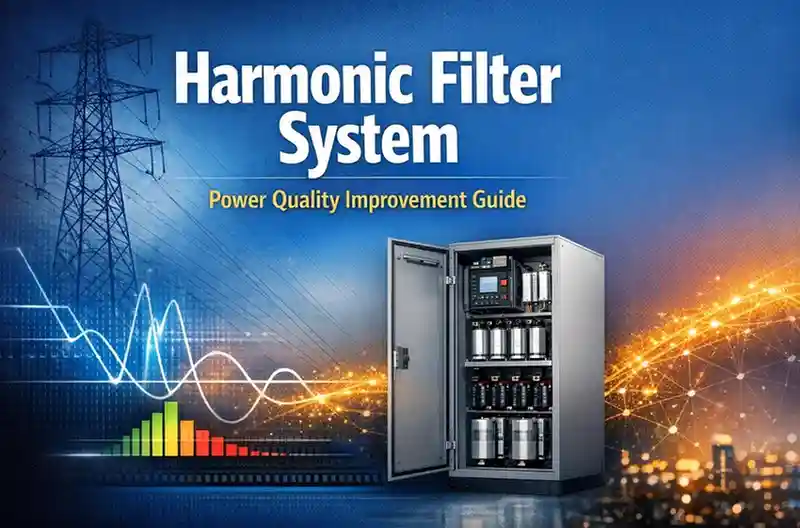
Harmonic Filter System: Power Quality Improvement Guide
Harmonic Filter System: Power Quality Improvement Guide
In modern industrial environments, maintaining high power quality is essential for ensuring efficient operations, reducing downtime, and protecting sensitive electrical equipment. One of the most effective solutions for achieving this is the implementation of harmonic filter systems.
This comprehensive guide explores power quality solutions, focusing on harmonic filters, their types, costs, benefits, and ROI for industries aiming to optimize energy efficiency and reduce electrical losses.
What Are Harmonics in Electrical Systems?
Harmonics are distortions in electrical waveforms caused by non-linear loads such as variable frequency drives (VFDs), UPS systems, and industrial automation equipment. These distortions can lead to inefficiencies, overheating, and equipment damage.
What Is a Harmonic Filter System?
A harmonic filter system is an electrical solution designed to reduce or eliminate harmonic distortion in power systems. It improves voltage stability, enhances efficiency, and ensures compliance with power quality standards.
Why Power Quality Matters in Industry
- Prevents equipment failure
- Reduces energy losses
- Improves operational efficiency
- Ensures regulatory compliance
- Extends equipment lifespan
Types of Harmonic Filter Systems
1. Passive Harmonic Filters
These filters use inductors, capacitors, and resistors to mitigate specific harmonic frequencies.
Key Features:
- Cost-effective solution
- Simple design
- Suitable for fixed loads
2. Active Harmonic Filters
Active filters use advanced electronics to dynamically cancel harmonic currents in real time.
Key Features:
- Adaptive and flexible
- High efficiency
- Ideal for variable loads
3. Hybrid Harmonic Filters
Combination of passive and active filters for optimized performance.
Key Features:
- Balanced cost and performance
- Wide application range
Harmonic Filter System Price (2026)
The harmonic filter system price varies depending on capacity, technology, and application.
| Filter Type | Capacity | Price Range (USD) |
|---|---|---|
| Passive Filters | Small to Medium | $5,000 - $50,000 |
| Active Filters | Medium to Large | $20,000 - $150,000 |
| Hybrid Systems | Large Industrial | $50,000 - $300,000+ |
Common Sources of Harmonics
- Variable Frequency Drives (VFDs)
- Industrial automation systems
- UPS and data centers
- Arc furnaces and welding equipment
Impact of Harmonics on Industrial Systems
- Overheating of transformers and motors
- Increased energy consumption
- Equipment malfunction
- Reduced power factor
Benefits of Harmonic Filter Systems
1. Improved Energy Efficiency
Reduces power losses and improves overall system efficiency.
2. Enhanced Equipment Performance
Ensures stable operation of sensitive electrical devices.
3. Reduced Maintenance Costs
Minimizes wear and tear on electrical components.
4. Compliance with Standards
Helps meet international power quality regulations.
5. Increased System Reliability
Improves uptime and reduces downtime risks.
Comparison of Filter Types
| Parameter | Passive | Active | Hybrid |
|---|---|---|---|
| Cost | Low | High | Medium |
| Efficiency | Moderate | Very High | High |
| Flexibility | Low | High | Medium |
ROI of Harmonic Filter Systems
Implementing electrical efficiency systems delivers measurable financial benefits.
| Metric | Before Installation | After Installation |
|---|---|---|
| Energy Loss | 15% | 5% |
| Equipment Failure Rate | High | Low |
| Operational Cost | High | Reduced |
Applications Across Industries
Manufacturing Plants
Ensures stable power for automated machinery.
Data Centers
Maintains consistent power for critical operations.
Oil & Gas Industry
Supports heavy electrical loads and drilling equipment.
Healthcare Facilities
Ensures reliable power for life-saving equipment.
Integration with Smart Energy Systems
Modern industrial energy saving solutions integrate harmonic filters with advanced technologies:
- IoT-based monitoring systems
- Real-time power quality analysis
- AI-driven optimization
- Remote diagnostics
Challenges in Implementing Harmonic Filters
- Initial investment cost
- Complex system design
- Maintenance requirements
- Space constraints in facilities
Future Trends in Power Quality Solutions
- AI-based harmonic detection
- Smart grid integration
- Advanced active filtering systems
- Energy-efficient industrial automation
How to Choose the Right Harmonic Filter System
- Analyze load characteristics
- Evaluate harmonic levels
- Consider system scalability
- Compare cost and ROI
Expert Tips
- Invest in active filters for dynamic environments
- Combine passive and active systems for optimal results
- Ensure compliance with IEEE standards
Conclusion
Harmonic filter systems play a crucial role in improving power quality and reducing energy losses in modern industries. By implementing the right filter systems, businesses can enhance efficiency, protect equipment, and achieve long-term cost savings.
As industries move toward smarter and more energy-efficient operations, investing in advanced electrical efficiency systems becomes essential for maintaining competitiveness and sustainability.
Ready to optimize your power quality? Harmonic filter systems are the key to achieving reliable and efficient industrial energy management.