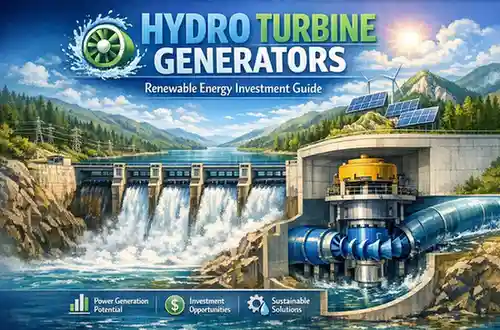
Hydro Turbine Generators: Renewable Energy Investment Guide
Hydro Turbine Generators: Renewable Energy Investment Guide
As the world transitions toward sustainable energy solutions, hydro turbine generators have emerged as one of the most reliable and cost-effective renewable energy technologies. Hydropower has been a cornerstone of electricity generation for decades, offering consistent output, low emissions, and long-term financial returns.
This comprehensive guide explores renewable energy systems based on hydropower, including turbine types, costs, investment insights, and ROI potential. Whether you're an investor, developer, or industrial operator, understanding hydro turbine generators is essential for making informed energy decisions.
What Are Hydro Turbine Generators?
Hydro turbine generators convert the kinetic energy of flowing or falling water into electrical energy. These systems are a critical component of hydroelectric power plants, enabling efficient and continuous power generation.
How Hydropower Works
- Water flows through a turbine.
- The turbine blades rotate due to water pressure.
- The generator converts mechanical energy into electricity.
- Electricity is transmitted to the grid.
Types of Hydro Turbine Generators
1. Pelton Turbine
Ideal for high-head, low-flow water conditions.
2. Francis Turbine
Most commonly used for medium head and flow conditions.
3. Kaplan Turbine
Suitable for low-head, high-flow water systems.
4. Small Hydro Turbines
Used for decentralized and rural energy solutions.
Hydro Turbine Generator Cost in 2026
The hydro turbine generator cost depends on capacity, site conditions, and technology.
| System Type | Capacity | Price Range (USD) |
|---|---|---|
| Micro Hydro Systems | Up to 100 kW | $5,000 - $100,000 |
| Small Hydro Plants | 100 kW - 10 MW | $100,000 - $5M |
| Large Hydro Projects | 10 MW+ | $5M - $100M+ |
Key Components of Hydropower Systems
- Turbines
- Generators
- Control systems
- Penstocks and pipelines
- Transformers and grid connections
Benefits of Hydro Turbine Generators
1. Renewable and Clean Energy
Produces electricity without greenhouse gas emissions.
2. High Efficiency
Hydropower systems can achieve efficiency levels above 90%.
3. Long Lifespan
Hydro plants can operate for decades with minimal maintenance.
4. Low Operating Costs
Once installed, operational expenses are relatively low.
5. Energy Reliability
Provides stable and continuous power generation.
Hydropower Investment Analysis
Investing in green energy equipment like hydro turbines offers long-term financial benefits.
| Investment Factor | Details |
|---|---|
| Initial Cost | High |
| Operational Cost | Low |
| ROI Period | 5-10 Years |
| Asset Lifespan | 30-50 Years |
ROI of Hydro Turbine Generators
Hydropower projects deliver strong returns over time.
| Metric | Traditional Energy | Hydropower |
|---|---|---|
| Energy Cost | High | Low |
| Maintenance Cost | Moderate | Low |
| Carbon Emissions | High | Minimal |
Applications of Hydro Turbine Systems
- Utility-scale power generation
- Industrial energy supply
- Rural electrification
- Off-grid power systems
Integration with Smart Energy Systems
Modern renewable energy systems integrate with smart technologies:
- IoT-based monitoring
- AI-driven performance optimization
- Remote operation systems
- Grid synchronization technologies
Factors Affecting Hydro Turbine Pricing
- Site location and water availability
- Head and flow conditions
- Capacity requirements
- Technology and automation level
- Installation and infrastructure costs
Challenges in Hydropower Projects
- High initial capital investment
- Environmental and regulatory approvals
- Site-specific limitations
- Long development timelines
Future Trends in Hydropower
- Small and micro hydro solutions
- Hybrid renewable systems
- AI-based plant optimization
- Eco-friendly turbine designs
How to Choose the Right Hydro Turbine Generator
- Assess water resource availability
- Evaluate project capacity requirements
- Analyze cost vs ROI
- Choose reliable equipment suppliers
Expert Tips
- Focus on long-term energy savings
- Invest in scalable systems
- Ensure compliance with environmental regulations
Conclusion
Hydro turbine generators are a powerful solution for sustainable energy generation, offering high efficiency, reliability, and long-term ROI. As global demand for green energy equipment continues to rise, hydropower remains a key investment opportunity.
By understanding costs, technologies, and market trends, investors and manufacturers can make strategic decisions that drive profitability and sustainability.
Ready to invest in renewable energy? Hydro turbine generators provide a proven path to long-term success in the evolving energy landscape.